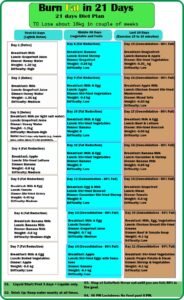
A weight loss diet should follow the principles of controlling total calories, balancing nutrition, and adjusting eating habits. This can be achieved by controlling the intake of staple foods, increasing the proportion of high-quality protein, supplementing dietary fiber, adjusting the order of eating, and reducing high-sugar foods.
01. Control the intake of staple foods
Replace refined rice and flour with whole grains such as brown rice and oats. These foods have a lower glycemic index and are rich in B vitamins. It is recommended to control the total daily intake of staple foods to 200-300 grams, adjusting dynamically according to individual basal metabolic rate. The resistant starch in whole grains can prolong the feeling of fullness and reduce subsequent food cravings. Be sure to retain an adequate amount of carbohydrates to prevent hypoglycemia , especially for those who exercise regularly to ensure a sufficient supply of basic energy.
02. Increase the proportion of high-quality protein
Prioritize low-fat, high-protein foods such as chicken breast, fish, and shrimp, supplemented with plant-based proteins like tofu and soy milk. Protein intake can be calculated at 1.2-1.5 grams per kilogram of body weight, distributed across various meals. Protein foods have a high thermic effect, meaning the digestion process consumes more energy. Adequate protein intake helps maintain muscle mass and prevents a drop in basal metabolic rate.
03. Supplementing Dietary Fiber
Ensure a daily intake of 500 grams of fresh vegetables and 200 grams of low-sugar fruit, with dark green vegetables such as broccoli and spinach being particularly recommended. Dietary fiber increases food volume while reducing energy density and regulates gut microbiota balance. Soluble fiber binds with bile acids, promoting cholesterol excretion and indirectly aiding metabolic regulation.
04. Adjusting the order of eating
Adopt the order of soup-vegetables-meat-staple food, consuming low-calorie foods first to fill stomach capacity. Chewing slowly and thoroughly prolongs eating time, allowing sufficient time for satiety signals to be transmitted. Establishing fixed meal times helps establish a circadian rhythm and reduces non-hunger eating behaviors.
5. Reduce high-sugar foods
Strictly limit sugary drinks, pastries, and other foods with added sugar, and choose natural sugar substitutes such as erythritol as alternatives. High-sugar foods not only provide empty calories but also cause drastic fluctuations in blood sugar , inducing feelings of hunger. Be aware of hidden sugar sources, such as processed foods like fruit juice and flavored yogurt.
A weight loss diet needs to be combined with a regular sleep schedule and moderate exercise. Ensuring 7-8 hours of sleep daily helps promote normal leptin secretion. It is recommended to engage in 150 minutes of moderate-intensity aerobic exercise per week, combined with two strength training sessions. After exercise, replenish protein promptly to promote muscle repair. Maintain a long-term habit of keeping a food diet record and dynamically adjust your dietary structure according to weight changes. When you encounter a plateau, you can appropriately adjust the proportion of nutrients. Avoid extreme dieting or completely eliminating certain nutrients to prevent metabolic disorders or malnutrition . If you have a metabolic disease, you should develop a personalized plan under the guidance of a nutritionist.